
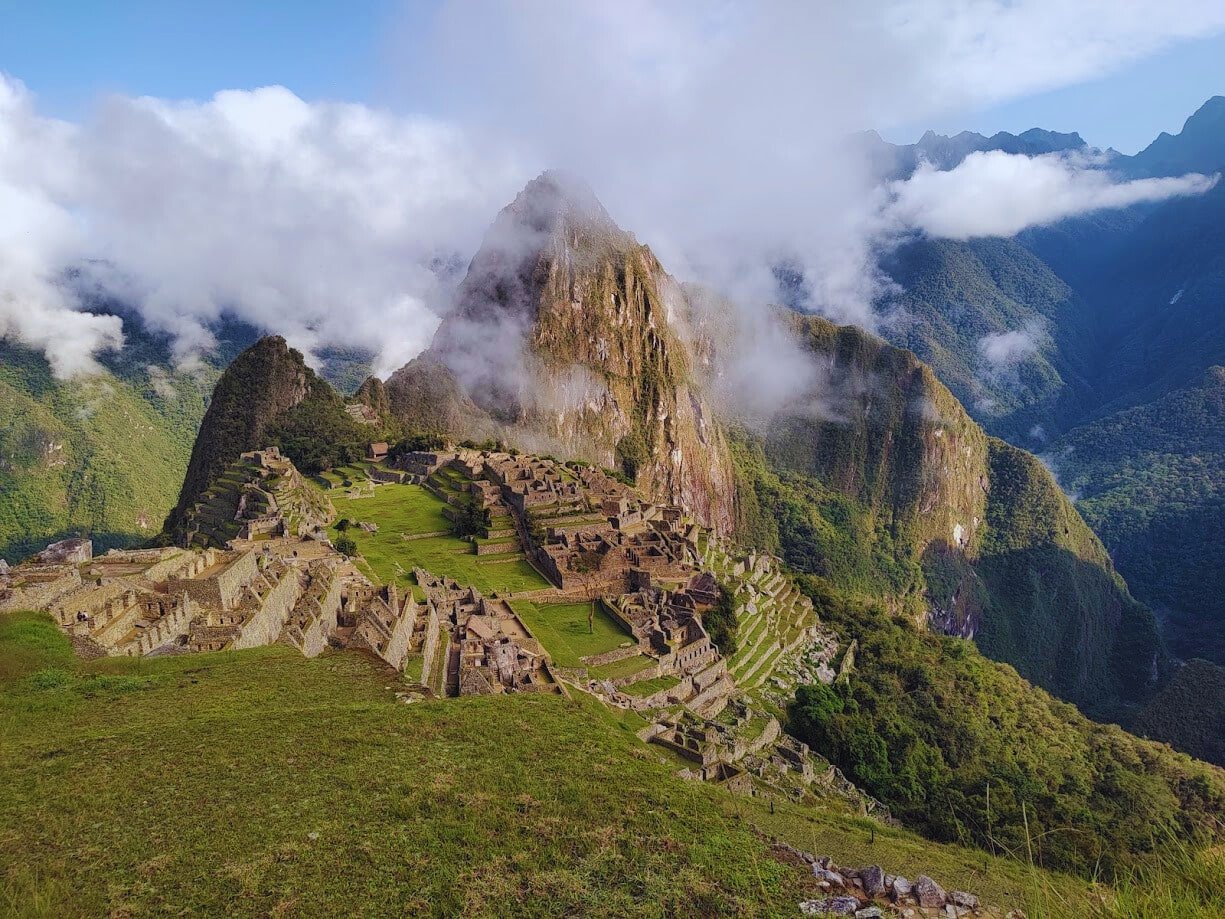
To explore one of the Seven Wonders of the Modern World, make sure to refer to this comprehensive guide on Machu Picchu’s allure and beauty.
Machu Picchu, constructed by the Incas in the 15th century, sits at an elevation of 2,450 meters in the Andes Mountains, with the Urubamba River flowing through the Sacred Valley of the Incas.
A mystical and secluded region with a rich past, and encompassed by stunning scenery.
The inca civilization constructed over 32,000 hectares of meticulously carved granite stone structures that were earthquake-resistant and precisely fitted together. Historians believe that the city included temples, palaces, homes, squares, observatories, cemeteries, aqueducts, as well as areas for agriculture and animal husbandry.
For 400 years, no one visited this holy mountain except the locals, who stayed hidden from the Spanish and cut off from the rest of the world. It wasn’t until 1911 that explorer Hiram Bingham discovered it and made it known to the public.
Thanks to him and the archaeological restoration works carried out since then, you developed an appreciation for that destiny and ended up reading this text. It is likely because you are getting ready for one of the most remarkable journeys of your life. (Trust me when I say that.)
That is the reason we have created this comprehensive guide to assist you in organizing the perfect travel schedule regardless of the season. I visited during December, the low season, whereas Flávio Antunes traveled in July, the high season. This ensures that you receive all the crucial advice that can enhance your travel experience.
Just get started and bring that dream to life from the paper by scrolling the screen.
In this article, you will find:
- Summary of Machu Picchu
- Activities to enjoy in Machu Picchu
- Accommodation options in Machu Picchu
- Where to dine in Machu Picchu
- When is the best time to visit Machu Picchu
- How long should we stay in Machu Picchu?
- How to reach Machu Picchu
- Journey to Machu Picchu
- Shopping at Machu Picchu
- Altitude sickness: sickness caused by high altitude
- Activities in Machu Picchu
- Discover additional advice regarding Machu Picchu
- Frequently Asked Questions
Summary of Machu Picchu

- Dry winter (April to September) and rainy summer (November to March), with average daytime temperatures ranging from 12°C to 23°C.
- The optimal time to visit is during the peak season, which falls between April and September.
- Situated in Machupicchu Pueblo in Urubamba province, the location is within 75 km of Cusco, Peru.
- To reach the destination, you can travel by train or bus from Cusco to Ollantaytambo in the Sacred Valley of the Incas. From there, you can catch a train to Machu Picchu Pueblo and then take a bus to ascend to the sacred mountain.
- Bring a small backpack with water and a snack, wear sunscreen, a cap or hat, comfortable shoes, and lightweight clothing that shields you from the wind.
- Explore one of the four trails at Machu Picchu to learn about Inca life and enjoy the journey while visiting attractions in Aguas Calientes.
- A helpful suggestion is to choose accommodations at either Inkaterra Machu Picchu Pueblo Hotel or Sumaq Machu Picchu.
- Maximum stay in Machu Picchu Pueblo is two days.
- No passport or visa is needed to visit Peru, only the RG is required. It is advised to purchase a safe trip to Machu Picchu.
- An international SIM card for Peru can be purchased either at the airport or online.
- Currency in Peru is Nuevo Soles (S/.), although some businesses also take US dollars.
- Altitude: 2,450 meters
- Machu Picchu, which translates to “Old Mountain” in Quechua, was constructed by the Inca people in the 15th century. It remained concealed from the rest of society until 1911 when Hiram Bingham led an expedition to uncover it. Recognized as a UNESCO World Cultural Heritage Site in 1983, it was also named one of the Seven Wonders of the Modern World in 2007.
Activities to undertake at Machu Picchu


There is a lot to explore in Machu Picchu, with the tour lasting around four hours. Visitors can choose from five different circuits that lead through various agricultural, religious, and urban areas, allowing them to explore the entire archaeological site and climb both Huayna Picchu and Machu Picchu mountains.
You will encounter a variety of attractions with different themes in every section of the park. Therefore, we outline the key points you can expect to see.
- Sun Gate
- Sun Temple
- Condor Temple
- Temple of the Three Windows is the name of the structure.
- Mirrors of water
- Intihuatana Pyramid, also known as Solar Clock
- Sacred stone
- Incan Bridge
- Sacred Square
- Ceremonial Origins
- Cabana Sentinel
Each route takes different paths of varying lengths, so not all attractions are accessible. It is advisable to verify the routes each takes beforehand.
Circuit 2 offers a comprehensive route including upper and lower platforms, the Intihuatana Pyramid, and the Condor Temple. It is a highly recommended path to fully experience the destination. In contrast, Circuit 4 starts in the agricultural zone and leads to the Temple of the Condor and the Sacred Rock.
Circuits 1 and 3 are smaller than the rest, with the first crossing both upper and lower platforms. Circuit 3 provides access to agricultural and urban regions, while circuit 5 is designed for trilheiros groups.
Paths
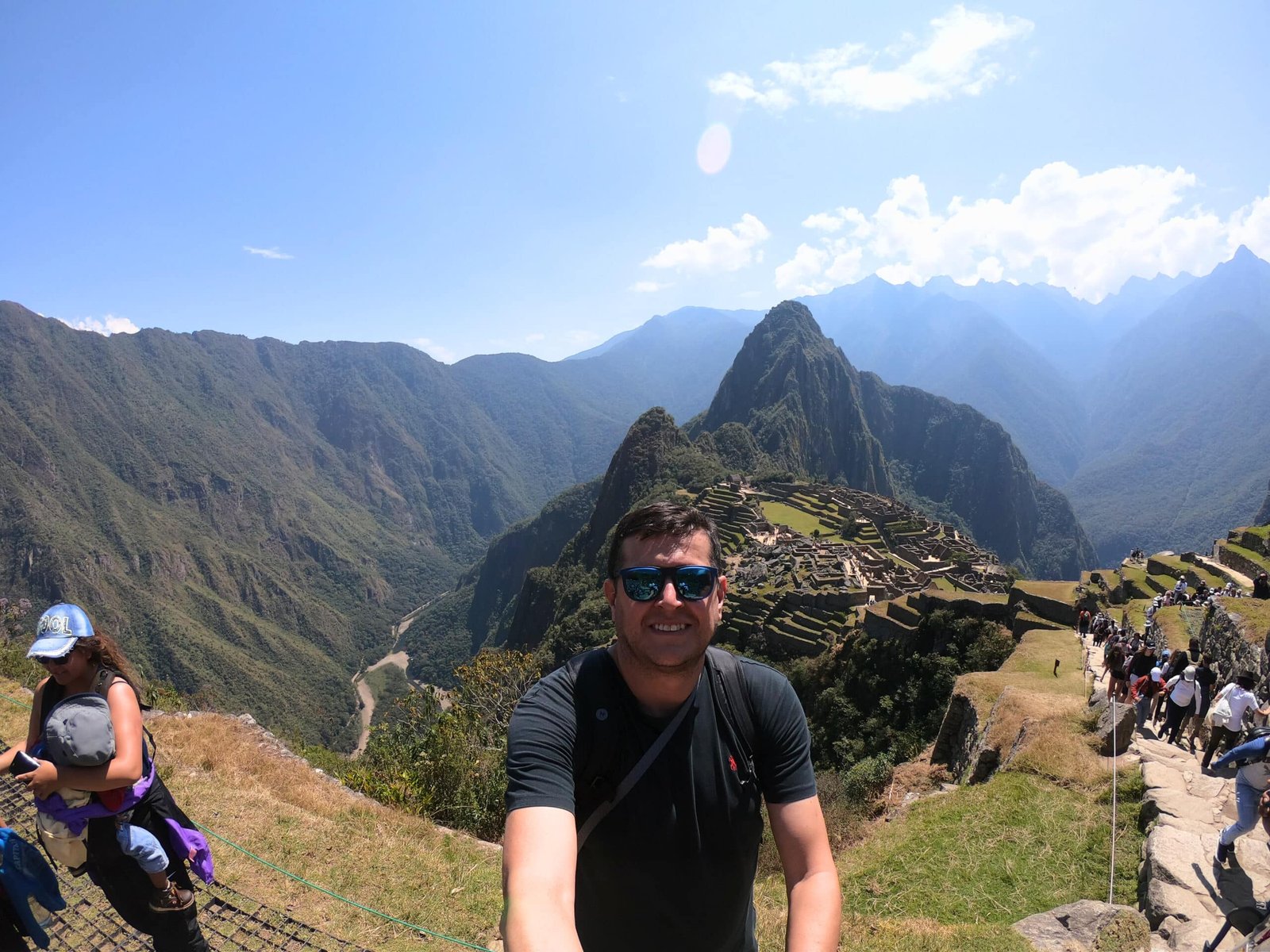
One way to reach Machu Picchu is via the trails, which are various paths constructed by the Inca civilization, referred to as qhapaq ñan in Quechua. These trails were designed to connect different regions to the Inca Empire’s capital, making it easier to reach Cusco.
There are multiple options for exploring the trails to Machu Picchu, with the Inca Trail and Salkantay Trail being the most popular. However, other routes like the Choquequirao trail and the small trail from the Hydroelectric are also worth considering.
To embark on these routes, it is essential to have a certified tour guide accompany you. Various agencies offer such tours which include services like food, animal handling, tents, and camps that may require separate payment.
Next, you will delve further into the main trails’ focal points in Machu Picchu.
Inca Trail
The Classical trail, highly popular among hikers, has been used since the 15th century by the Inca people who lived in the region before the Spaniards arrived. It is regarded as one of the world’s most significant trails and can be completed in four days.
The distance from Cusco to Machu Picchu is 39 km and includes visits to various archaeological sites, ending at Intipunku, the entrance used by the Incas accessible only via this trail.
Only 500 visitors per day are permitted to enter the site due to its significant historical and cultural importance. To secure a spot, it is essential to book a certified guide and make a reservation with a tourism agency at least two months in advance.
Explore further information about the Inca trail.
Salkantay Path
The Salkantay trek typically lasts five days, beginning in Challacancha near Cusco, winding past the base of Salkantay mountain, and concluding at the Historical Sanctuary. Covering a distance of approximately 70 km, the trail reaches altitudes nearing 4,600 meters and boasts a varied vegetation, stunning scenery, and plenty of excitement.
The primary attraction of this route is the breathtaking natural landscape, which includes notable spots like the renowned Humantay Lagoon and the snow-capped peaks of the Andes mountain range. It is no surprise that this trail is regarded as one of the world’s most stunning.
It is important to be aware that the journey is demanding and necessitates adequate physical preparation, particularly due to the weather and high altitude. Therefore, we suggest booking your tour with a well-equipped tour agency that can assist you throughout the five-day route.
Explore further information about the Salkantay route.
Business hours
The site is open daily from 6:00 AM to 5:30 PM, with entry allowed until 2:00 PM, after which access is no longer permitted.
Arrive early in the morning to experience the park when it’s less crowded and see the clouds dancing around the mountain, unveiling the city in front of you.
When I arrived, I caught one of the earliest buses up the mountain and found that it was almost deserted except for a few small groups of tourists. It was truly special to enjoy this almost private experience without the usual crowds of people rushing in to take photos.
Certain spaces may only be entered at specific times of the day due to conservation purposes.
- Pyramid Intiwana is open from 7 AM to 10 AM.
- The Temple of the Condor is open from 10am to 1pm.
- Temple of the Sun is open from 1 pm to 4 pm.
Each ticket provides a four-hour tour of the Historical Sanctuary, with the exception of the Waynapicchu route, which can last up to seven hours.
Tickets are being sold.
The ticket prices for different circuits at Machu Picchu range from $40 and should be bought beforehand, ideally about two months in advance due to the popularity of the site.
You can purchase your ticket on either the official website of the Peruvian Ministry of Culture or the Civitatis platform. The Civitatis platform allows you to pay in installments using a credit card and provides options for refunds in case of any issues.
The Peruvian government has restricted the number of visitors to the historical site and its biodiversity by selling 4,500 daily tickets online and in the city. Access is allowed only with a licensed tour guide.
You can secure your park ticket with a Portuguese-speaking guide at Civitatis, along with bus and train tickets to Aguas Calientes, and hotel transfers, all conveniently in one package. It’s a tour worth considering!
Machupicchu Pueblo is also known as Aguas Calientes.
If you plan to stay longer in Aguas Calientes, there are other local attractions to explore. Here is a brief overview of some key sights in Machupicchu Pueblo for those looking for things to do.
- Swimming facilities
- Crafts Market – Market for Handmade Goods
- Garden of Plants
- Manuel Chávez Ballón Museum
- Stone Chronicles Circuit
- Fair-haired
- The Mandor Gardens
Hotels in Aguas Calientes offer unique experiences that vary depending on your accommodation choice.
During my visit, I stayed at Inkaterra, which provided tours to tea plantations, birdwatching, and an orchid garden. Flávio Antunes stayed at Sumaq and enjoyed trying Pachamanca and taking a cooking class to learn how to make Pisco Sour.
When booking a hotel in Machu Picchu, make sure to explore the additional activities available during your visit. 😉
Read all of our advice.
- Honeymoon at Machu Picchu
- Activities to enjoy in the Sacred Valley of the Incas
- Activities in Cusco
- Cusco Tours
Accommodation options in Machu Picchu
Staying at a hotel in Aguas Calientes is recommended for a convenient stay near Machu Picchu, allowing you to relax before or after exploring the Sacred Mountain without concerns about train schedules. Alternatively, accommodations in the Sacred Valley towns like Ollantaytambo or Cusco are also options.
Staying in Ollantaytambo in the Sacred Valley can offer a more budget-friendly option with access to nearby tourist attractions. For hotels in Cusco, it’s recommended to choose a location close to the historic center.
Here are some key recommendations for accommodations in Machu Picchu.
Hotels located in Machu Picchu (Aguas Calientes).

The top accommodations in Machu Picchu provide distinctive and premium offerings, including Sumaq, Belmond, and Inkaterra. Additionally, there are affordable alternatives situated close to the train station, artisan market, or bus station. Refer to the following locations for more information:
- Belmond Sanctuary Lodge is available daily starting from $1,400 with a rating of 9.2.
- Inkaterra Machu Picchu Pueblo Hotel is available daily starting at $448, with a rating of 8.7.
- Amakonkay Machupicchu tours are available daily starting at $99, with a rating of 8.9.
- Sumaq Machu Picchu is available daily starting from $367, with a rating of 9.1.
- Vilas Insight Hotel Machupicchu is available daily starting at $69 and has a rating of 8.9.
Also, make sure to read.
- Upscale accommodations in Machu Picchu
- Affordable accommodations in Machu Picchu
- Review of Sumaq Machu Picchu Hotel
Explore all available lodging choices in Machu Picchu.
Machu Picchu hostels in Aguas Calientes

We can provide a list of the top hostels in Machu Picchu as a more budget-friendly option compared to the inexpensive hotels. This way, you can easily compare prices, services, and value for money to find the best choice for your budget. See the list of hostels in Machu Picchu below:
- Supertramp Hostel Machupicchu is available for booking every day starting at $36, with a rating of 8.5.
- Nativus Hostel Machu Picchu is available daily starting at $38, with a rating of 8.1.
- Casa Machu Picchu Hostel is available daily starting at $27, with a rating of 8.0.
- Usgar Machupicchu Inn is available for daily stays starting at $32, with a rating of 8.1.
Explore all available hostel choices in Machu Picchu.
Where to dine in Machu Picchu


When in Peru, you can count on enjoying delicious food, including the dining establishments in Machu Picchu, which offer a variety of options for bars, restaurants, and cafes suitable for all times of the day, along with culinary experiences at various hotels in the area.
At Café Inkaterra, you can savor a delectable and satisfying lunch like the grilled trout with pumpkin puree and vegetables cooked with tarragon, as shown in the photo. To describe it as amazing would be an understatement.
The renowned Pachamanca dish offers a full immersion into Peruvian cuisine and culture. Flávio Antunes enjoyed this authentic delicacy at the Sumaq hotel, where a mix of meats and vegetables was roasted under hot stones on the ground, resulting in a sensational smoky flavor.
Some of the suggestions below include these and other traditional Peruvian dishes.
- Happy Indian Restaurant Bistro
- Inkaterra Coffee
- Craft Beer & Peruvian Kitchen at Full House
- Magguis Grill Craft Beer – A restaurant specializing in grilled food and craft beer.
- Toto’s Residence
- Peruvian Food Chef House
- Chullo’s
When is the best time to visit Machu Picchu?
The optimal period to visit Machu Picchu is in the winter months from June to September, when the climate is arid and sunny. Be ready for crowds during this peak season unless you arrive early to explore the Historical Sanctuary.
The off-peak season falls during the summer months when the rainy season takes place, spanning from November to March. I visited in December and experienced some light rain, but it was intermittent and not continuous. Remarkably, the day I visited Machu Picchu, it did not rain at all. The weather was sunny and pleasant, creating a perfect day.
Due to its mountainous nature, the region experiences significant daytime sun exposure in both winter and summer, leading to considerable temperature drops at night. Therefore, it is important to be prepared and stay alert. 😉
How long should I plan to spend at Machu Picchu?
It is best to spend a night in Machu Picchu Pueblo, ideally before your hike, to ensure a good night’s sleep and wake up refreshed for the next day.
If you have extra time, it’s a good idea to extend your stay in the village to explore the thermal pools, visit the Craft Market, and possibly try out some hotel experiences.
Another great suggestion is to prolong your visit to the Sacred Valley of the Incas and explore the various attractions and tours available in the area – that’s what I did! I toured the Moray archaeological site, the Maras Salt Mines, the Umasbamba community, and more. Your itinerary becomes even more amazing with these choices.
How to reach Machu Picchu

The route to reach Machu Picchu is straightforward and can be simplified as: Brazil -> Lima -> Cusco -> Machu Picchu Pueblo (or Aguas Calientes) -> Machu Picchu Historical Sanctuary.
You must fly to Lima, Peru first as there are no direct flights to Cusco. From Lima, you can then take a one-hour flight to Cusco or consider taking a bus, although it is not advisable due to the longer travel time.
When you reach Cusco, you can easily catch a train to Machu Picchu Village, home to the sacred mountain. For the more daring, there are hiking paths available as another option.
We will now provide additional information about each step of the journey.
By air
The sole airport in Peru that accepts nonstop flights from Brazil is located in Lima, with an average travel time of approximately five hours. Flights depart daily from São Paulo, Rio de Janeiro, Brasilia, Porto Alegre, and Florianópolis.
The primary airlines operating on this route include Latam, Delta, Sky Airline, Qatar Airways, Aeromexico, and Swiss. It is advisable to monitor prices on the Promo Go platform for fantastic deals.
You can catch a short flight to Cusco from Lima, which typically lasts only about an hour. Numerous daily flights are available, making it easy to secure a ticket for your journey.
Flight delays are common due to inclement weather, such as cloudy conditions that can obstruct the runway, making it challenging to land at high-altitude airports nestled among the Andean mountains. It’s essential to stay prepared for such situations. 😉
By automobile
If seeking guidance, it is recommended not to travel by car to Cusco due to the unpredictable road conditions in Peru. Alternatively, the route from São Paulo to Cusco, which passes through Bolivia, takes over 53 hours.
Driving from Lima to Machu Picchu through the Peruvian coast and Andean mountains takes about 21 hours on average for a distance of approximately 1,100 km. However, reaching Machu Picchu Pueblo is not possible by car as there are no roads, only train tracks or walking trails. Therefore, driving to Machu Picchu is not recommended.
From Lima to Machu Picchu

There are two options for traveling from Lima to Machu Picchu: either by air or by road.
Flights from Lima to Cusco typically last one hour and operate daily from the capital of Peru. The primary airlines servicing this route include Latam, Star Perú, Sky Airline, and Jet Smart.
Those who choose to travel by bus can enjoy a distinctive journey through various scenic locations in the country. The trip can be broken up with stops in places like Paracas and Arequipa, allowing travelers to opt for either a direct 22-hour route or a more leisurely three-day option to explore Peru’s stunning landscapes and attractions.
One advantage of taking the bus to Cusco is that travelers often feel better acclimated to the altitude upon arrival compared to other modes of transportation. This is because the gradual ascent allows their bodies to adjust more effectively. So, if you’re concerned about altitude sickness, taking the bus may be a beneficial choice to consider.
The top bus companies for the Lima – Cusco route are Peru Hop, Cruz Del Sur, and the Palomino Group.
From Cusco to Machu Picchu

When you reach Cusco, you have several options for traveling to Machu Picchu, such as by train, bus, private transfer, van, or walking. It’s important to note that all these transportation methods, except walking, will only take you to Ollantaytambo, from where the only way to reach the village is by train tracks.
During peak season, Cusco offers train journeys to Machu Picchu Pueblo (Aguas Calientes) via PeruRail trains departing from San Pedro and Poroy stations, with a travel time of around four hours.
The company provides bimodal service throughout the year from Wanchaq station to Ollantaytambo for travelers to catch the train to the village. In a similar bimodal approach, competitor Inca Rail also transports passengers by bus to Ollantaytambo for their premium train service, extending the journey to approximately five to six hours.
When opting for the bus, you have the option to select from various private companies that provide one or two-day travel packages. These typically consist of bus transportation, a train ticket, and park admission. On the other hand, private transfers will only take you from Ollantaytambo to your hotel.
From Ollantaytambo to Machu Picchu
When coming down in Ollantaytambo, in the Sacred Valley of the Incas, there are just two options to reach Machupicchu Pueblo: either by train or on foot.
The city boasts an attractive train station that serves PeruRail and Inca Rail railway companies. Opting to board the train here results in a more affordable fare, given its proximity to Aguas Calientes, which reduces the travel distance. The journey to the village takes approximately 1 hour and 45 minutes.
The ticket prices for both train companies range from 50 to 60 dollars.
Journey to Machu Picchu
There are various transportation options to Machu Picchu, with the train and bus being the main choices. Once you reach Ollantaytambo by train or bus, you will need to take the train to Machupicchu Pueblo or continue on foot from there.
Two railway companies, Inca Rail and Peru Rail, are the only ones operating on the southern and southeastern rail lines of Peru, while multiple bus companies offer services from Cusco or Lima to Machu Picchu.
The train is the most common way to travel this route, with different service options available at varying prices and experiences. It’s recommended to purchase tickets early due to limited seating, especially during peak times.
Below, we provide a detailed explanation of the services available and identify the most cost-effective option for you.
Inca Rail
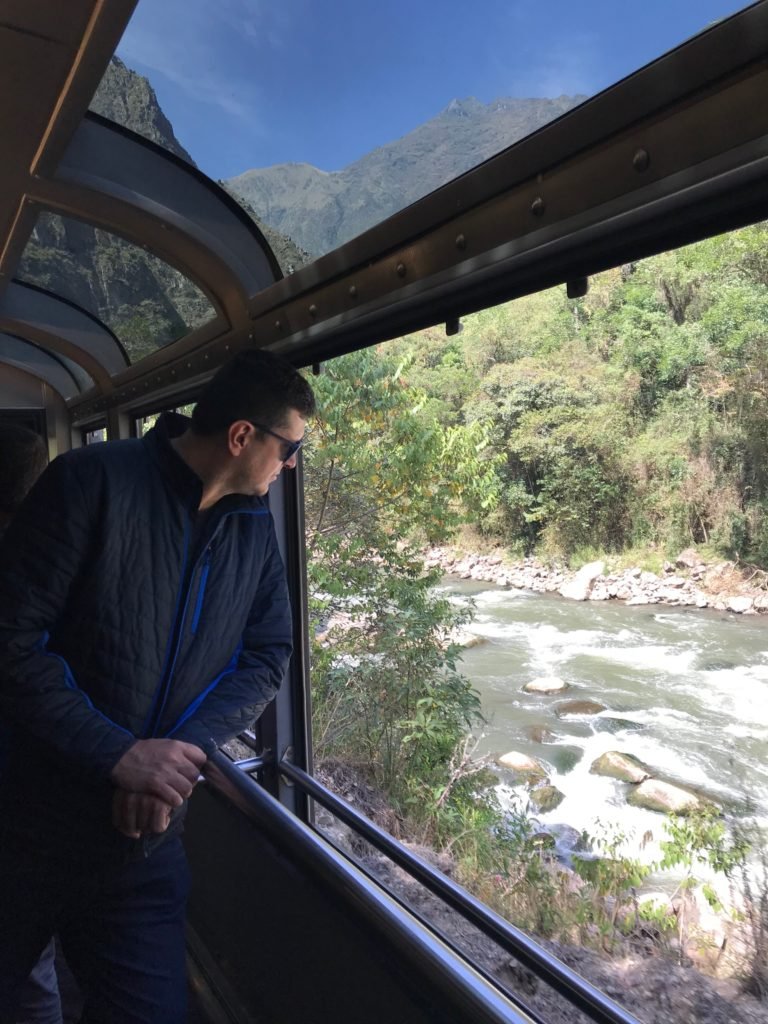
Inca Rail has been operating as a railway company in the country since 2009, featuring modern train cars. Flávio Antunes had a positive experience traveling with them and suggests their services. They provide five ticket options, ranging from the most affordable to the most luxurious: Voyager, 360o, First Class, Private, and Premium & Lounge.
The Voyager offers a basic experience. The 360o provides an enjoyable ride in open carriages for scenic views. First Class offers a more refined service, while Private caters to a more exclusive clientele seeking a luxurious experience. Premium and Lounge options offer a sophisticated experience with special services and early access.
The company operates a two-mode service where a bus transports passengers from Cusco to Ollantaytambo in the Sacred Valley of the Incas, from where they continue their journey on a train to Machupicchu Pueblo (Aguas Calientes). The entire journey typically lasts around four to five hours.
Tickets are available for purchase on the official website of Inca Rail.
PeruRail
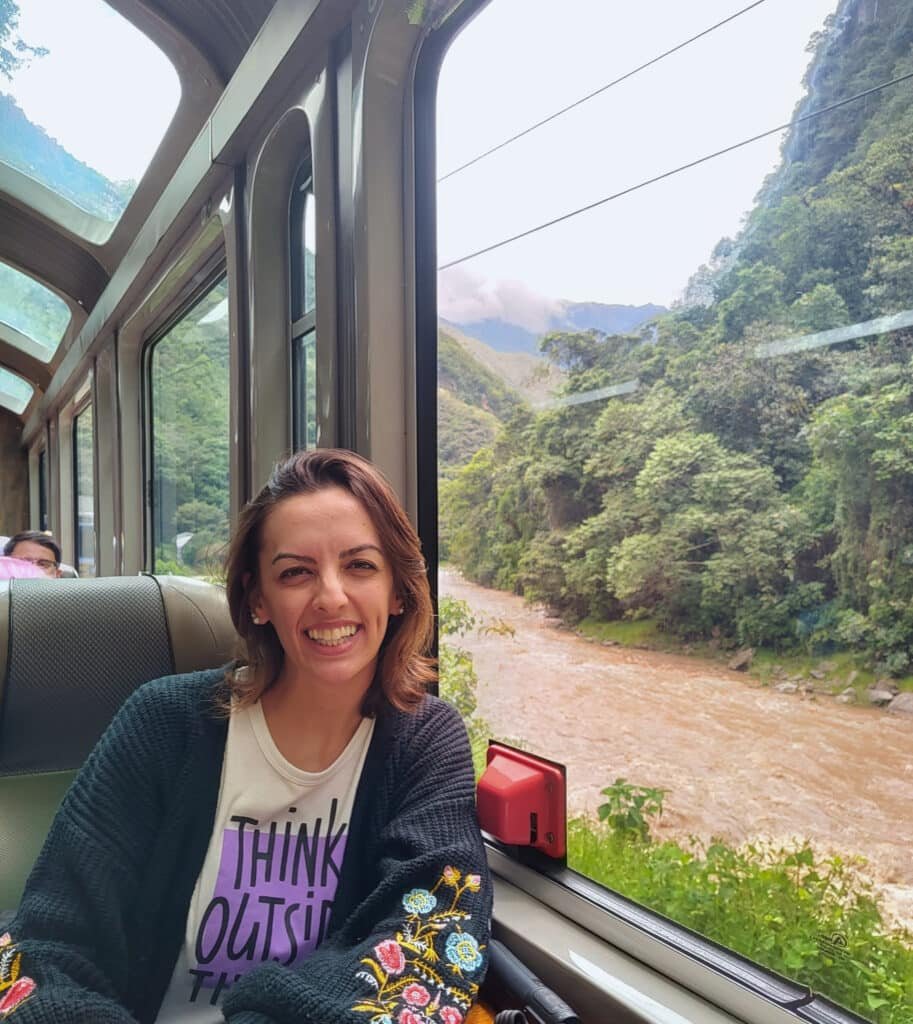
PeruRail, a prominent railway company in Peru established in 1999, offers four types of train cars: Expedition, Vistadome, Vistadome Observatory, and Belmond Hiram Bingham. I personally traveled with them to Machu Picchu and can confidently endorse their services.
This is the sole company providing daily and non-stop trips from Cusco to Machu Picchu Pueblo (Aguas Calientes) in peak season, with additional stops in Urubamba and Ollantaytambo in the Sacred Valley of the Incas.
Tickets are available for purchase on PeruRail’s official website or through the Civitatis online platform, where installment payment is an option.
Buses are a form of public transportation.
The final section of the journey to Machu Picchu includes a steep mountain road that can be traveled on foot or by bus operated by Consettur.
The Inca Citadel is accessible from 5.30 a.m. to 3:30 p.m. for ascending, and from 6.30 a.m. to 6:00 p.m. for descending to Aguas Calientes. Buses operate every five to 10 minutes, with ticket prices at $24 for a round trip, available for purchase in Cusco or online a day in advance.
I suggest purchasing your tickets online or at least a day in advance to guarantee your preferred timing for going up and down. Get up early and line up in front of the bus station to secure a spot on the bus.
Secure your round-trip ticket ahead of time through Civitatis.
Shopping at Machu Picchu

The Craft Market in Machupicchu Pueblo offers a wide variety of alpaca wool products for the entire family at excellent prices and high quality. You won’t find this type of fabric elsewhere at such affordable rates.
In addition to the usual blouses and cozy blankets, there is a wide selection of jewelry like necklaces, earrings, rings, and silver bracelets, as well as keychains, fabric dolls, and alpaca bears. Also popular are hats, caps, gloves, fridge magnets, and traditional foods like coca tea boxes and Maras salt pans.
The Peruvian currency is the Nuevo Sol (S./), slightly higher in value than the Brazilian Real (R$). Prices are reasonable, making your money go further. It is advisable to exchange dollars for Nuevo Sol in Cusco before heading to Aguas Calientes, as not all stores accept US dollars.
Many businesses now take credit card payments, making it a convenient option for those with international cards and a good understanding of managing finances in foreign currencies.
Altitude sickness: illness caused by high altitude

Altitude sickness, known as Soroche, frequently affects travelers arriving in Cusco, situated at an altitude of over 3,300 meters above sea level. The reduced oxygen pressure can lead to breathing difficulties and symptoms such as discomfort, tiredness, nausea, headaches, dizziness, and shortness of breath.
Some individuals experience negative effects from the entity, while others remain unaffected, with some even unable to leave their hotel room due to feeling unwell.
How can this issue be prevented?
You can follow practical recommendations to reduce the effects of altitude sickness and enjoy your dream trip without being affected by it.
Consume lighter foods a day or two before the trip and during the initial days in Cusco to ease digestion and conserve energy. Steer clear of red meat, fatty meals, strong spices, and alcohol.
Drink lots of water is the second recommendation.
Coca tea and tables are widely available in Peru, as they aid in blood oxygenation and help the body adjust to the new environment. Hotels provide tea tables for guests, and they can be easily found in markets and small shops.
Ingesting tea or coca bullet will not cause any side effects.
Activities in Machu Picchu

The luggage for Machu Picchu needs to be small and include only the necessary items for your stay in Aguas Calientes. This is because the trains have a weight limit for each passenger, allowing only one carry-on bag weighing 8 to 10 kg at most.
It is crucial to carefully consider which clothing to bring to the sacred mountain.
For an outdoor walk like hiking and climbing, it’s best to wear comfortable sneakers or boots, soft pants and shirts, a windproof jacket, a hat or cap, and sunglasses. The Historical Sanctuary has few trees and strong sun exposure, so don’t forget to apply sunscreen and insect repellent, no matter what time you visit.
If you’re not accustomed to hiking or physical activities, take it easy and breathe slowly while doing your circuit. Comfortable clothing and a focused, calm mind will help you complete the climb, even if you feel a bit uncomfortable at higher altitudes.
It is advisable to bring a small backpack with water and a snack in case you get hungry along the way. Make sure to read our post about what to bring to Peru for a checklist before your trip.
What items should be avoided.
Certain items are prohibited from entering the park, so it is important to check the list below before you prepare to hike the sacred mountain.
- Backpack exceeding dimensions of 40 x 35 x 20 cm.
- Unmanned aircraft
- Weapons or cutting tools
- Selfie Basket/Pau
- Paraphrase: Rain protection device
- Cigarettes versus e-cigarettes
- Phosphorescent glow
- Heeled footwear
- Alcohol drinks or meals
- Sound Boxes
- Animals kept for companionship
If you have any more inquiries regarding Machu Picchu, feel free to ask in the comments, and we will gladly assist you!
Find additional advice on Machu Picchu.
The tips continue! Check out a list of full articles below to help you plan your trip.
- Cusco – a city in Peru
- Machu Picchu ESIM
- Cusco accommodations
- Accommodation options in Cusco
- Activities in Cusco
- Cusco sightseeing tours
- New Year’s Eve celebration in Cusco
- Where to dine in Cusco
- Activities to Experience in Peru
- What items to bring to Peru
- Activities to enjoy in the Sacred Valley of the Incas
- Hotels located in the Sacred Valley of the Incas.
- Incas’ Sacred Valley
- How to reach Machu Picchu
- Inca Rail
- PeruRail is the subject of the text.
- Accommodation options in Machu Picchu
- Accommodations in Machu Picchu
- Affordable Accommodations in Machu Picchu
- Luxurious accommodations in Machu Picchu
- Honeymoon at Machu Picchu
Have a secure journey to Machu Picchu.
Hiring travel insurance for Machu Picchu ensures a stress-free trip, providing peace of mind and support during your travels.
Chip for mobile device at Machu Picchu
Purchase Machu Mobile Chip Picchu or eSim Machu Picchu for affordable rates to stay connected while visiting Machu Picchu. Explore the discounted offers from America Chip for unlimited internet access with our America Chip discount coupon. – VIEW PRICES
Machu Picchu Tours and Tickets
Have you arranged your Machu Picchu tours? Ensure everything is well-organized and avoid waiting in ticket queues by booking through Civitatis from the convenience of your home. Check out the tour prices and pay in installments, up to 12 times, with no IOF charges.
Flights heading to Machu Picchu
Want to secure a discounted airfare to Machu Picchu? Utilize the Promo Go platform to discover the most reliable flight deals available. Stay updated on daily promotions and save on your booking! – VIEW PRICES
Commonly Asked Questions
Learn additional crucial details regarding Machu Picchu.
The weather in Machu Picchu usually ranges from 12°C to 23°C during the day, with a dry winter from April to September and a rainy summer from November to March.
Located in Machu Picchu Pueblo in Urubamba province, less than 75 km from Cusco, Peru.
You can purchase your Machu Picchu ticket on either the Ministry of Culture of Peru’s official website or the Civitatis platform. This platform enables installment payments with a credit card and provides refund options in case of issues.
The ideal period to visit Machu Picchu is from April to September, which is considered the high season.
Machu Picchu, constructed by the Inca civilization in the 15th century, remained concealed until 1911 when explorer Hiram Bingham’s expedition uncovered it. Recognized as a UNESCO World Cultural Heritage Site in 1983, it was also designated as one of the Seven Wonders of the Modern World in 2007.
The cost of the train journey to Machu Picchu varies depending on factors such as the railway company (PeruRail or Inca Rail), the type of experience selected, the specific train car, the departure station, and the season. As a result, the average price starts at $55.
You don’t have to get vaccinated to visit Machu Picchu, but it’s advisable to be immunized against yellow fever for any overseas journey.
In Peru, the official currency is Nuevo Soles (S/.), although some places also take US dollars.
You only require to have your RG in hand to pass through the Peruvian consulate upon arrival at the airport when visiting Machu Picchu, without the need for a visa or passport.
Peru is behind Brazil by two hours.
